Business Apps
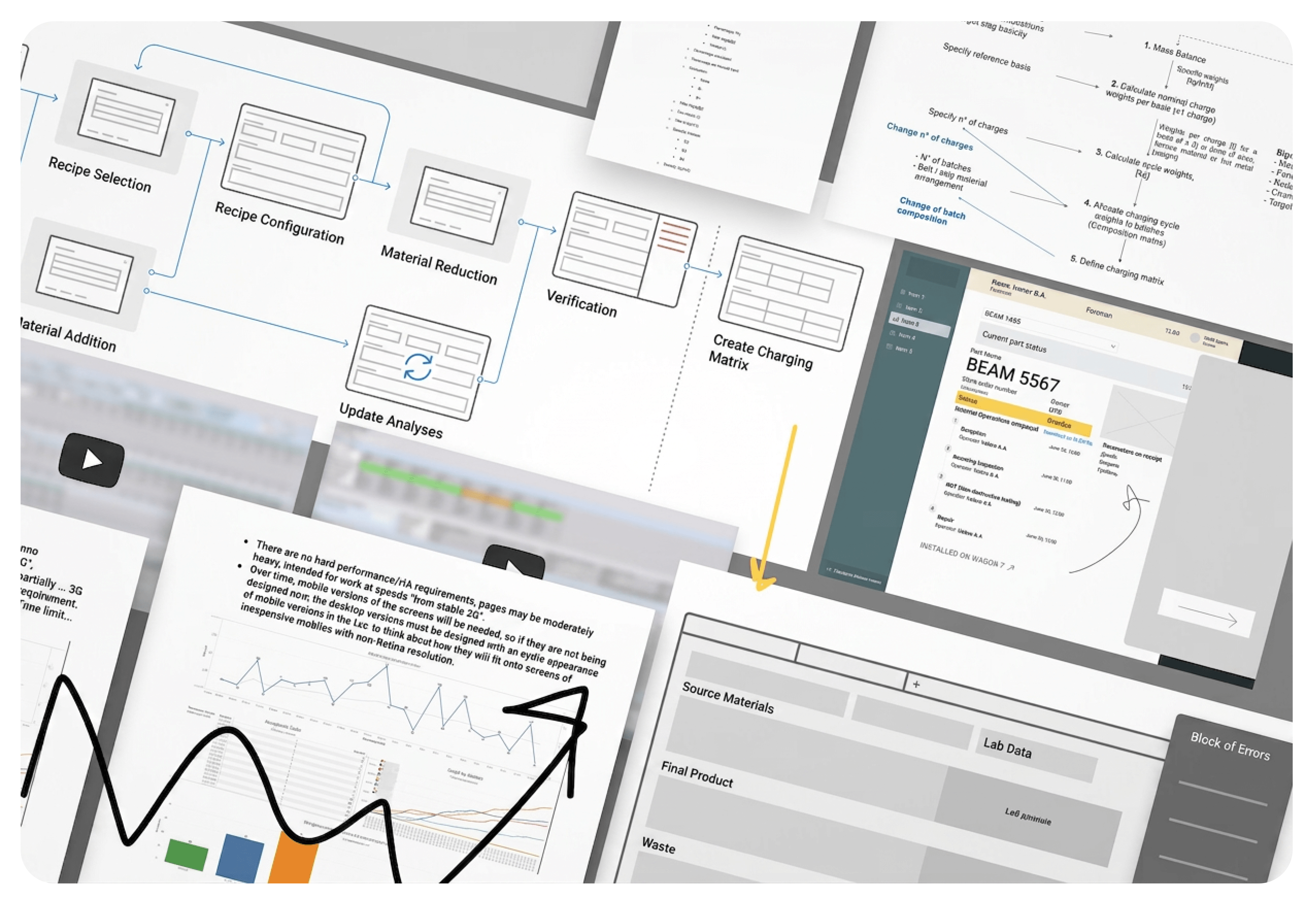
We develop designs for corporate interfaces that help automate business processes, optimize task execution, reduce routine actions, and provide a comprehensive approach to business management.
Corporate portals
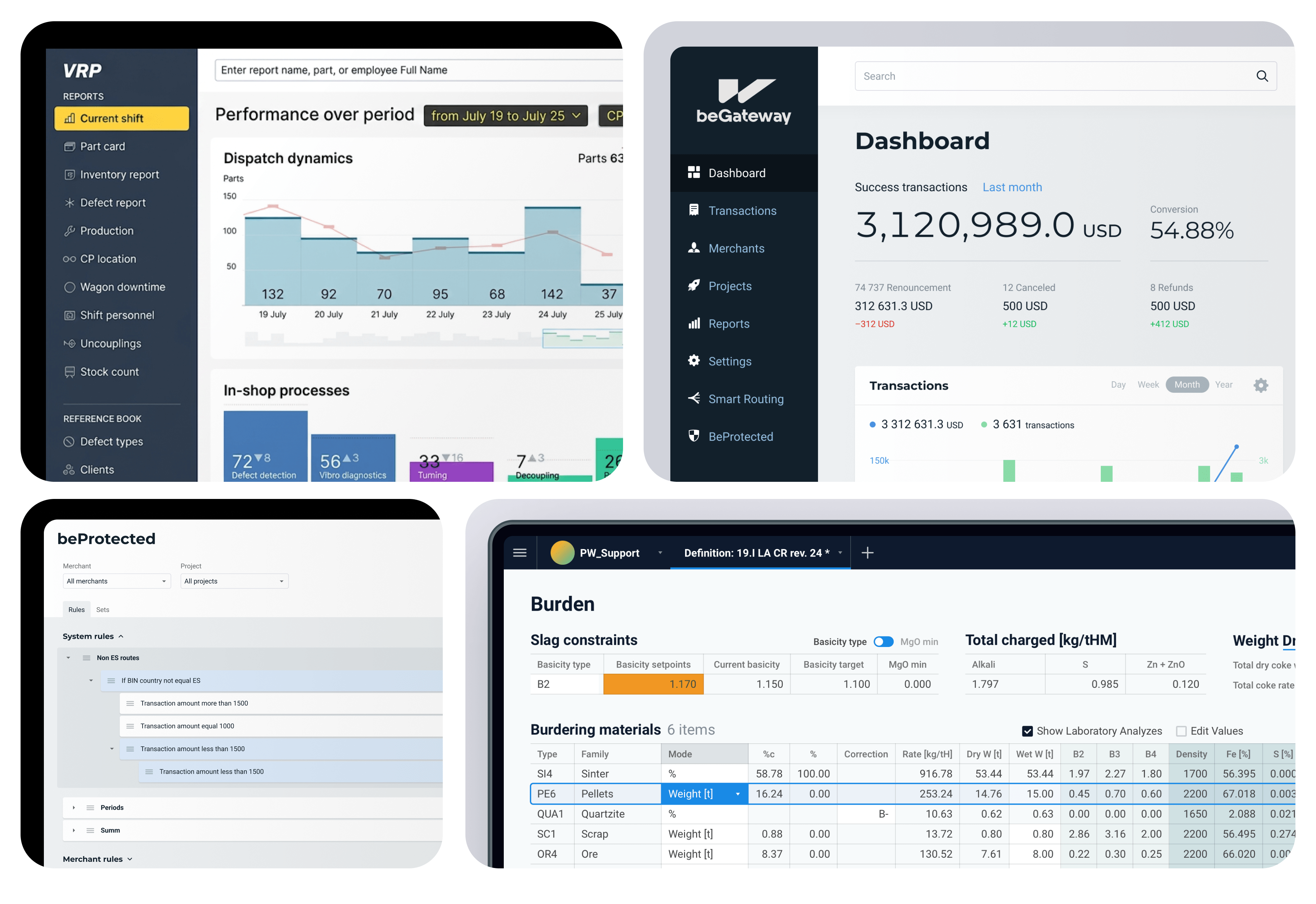
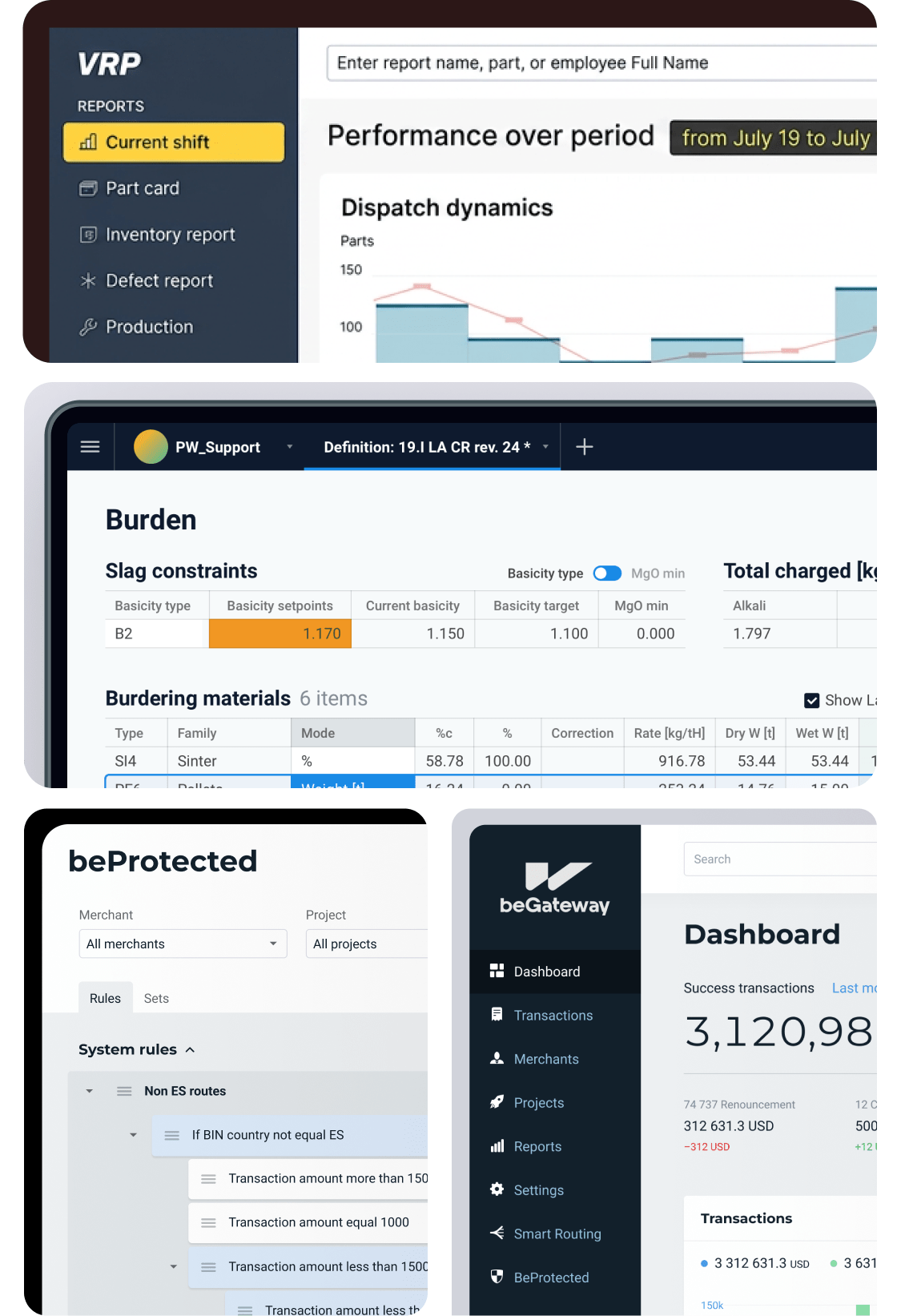
They help optimize a company’s business processes without implementing expensive systems with excessive functionality.
With such software, it is easy to implement the specifics of business processes, manage document flow, establish, and simplify communication between company departments and clients.
Examples:
- personnel record-keeping systems;
- automation of accounting and finance;
- company knowledge bases;
- interface for a partner system for shared construction.
CRM
They help automate customer communication, build a customer base, plan, get sales information, and take the necessary measures in a timely manner.
The main task of a CRM UX/UI interface is to achieve effective results in marketing and sales.
Examples:
- system for managing sales and customer service;
- advertising campaign management;
- unified bank customer database;
- bank debtor tracking system.
ERP
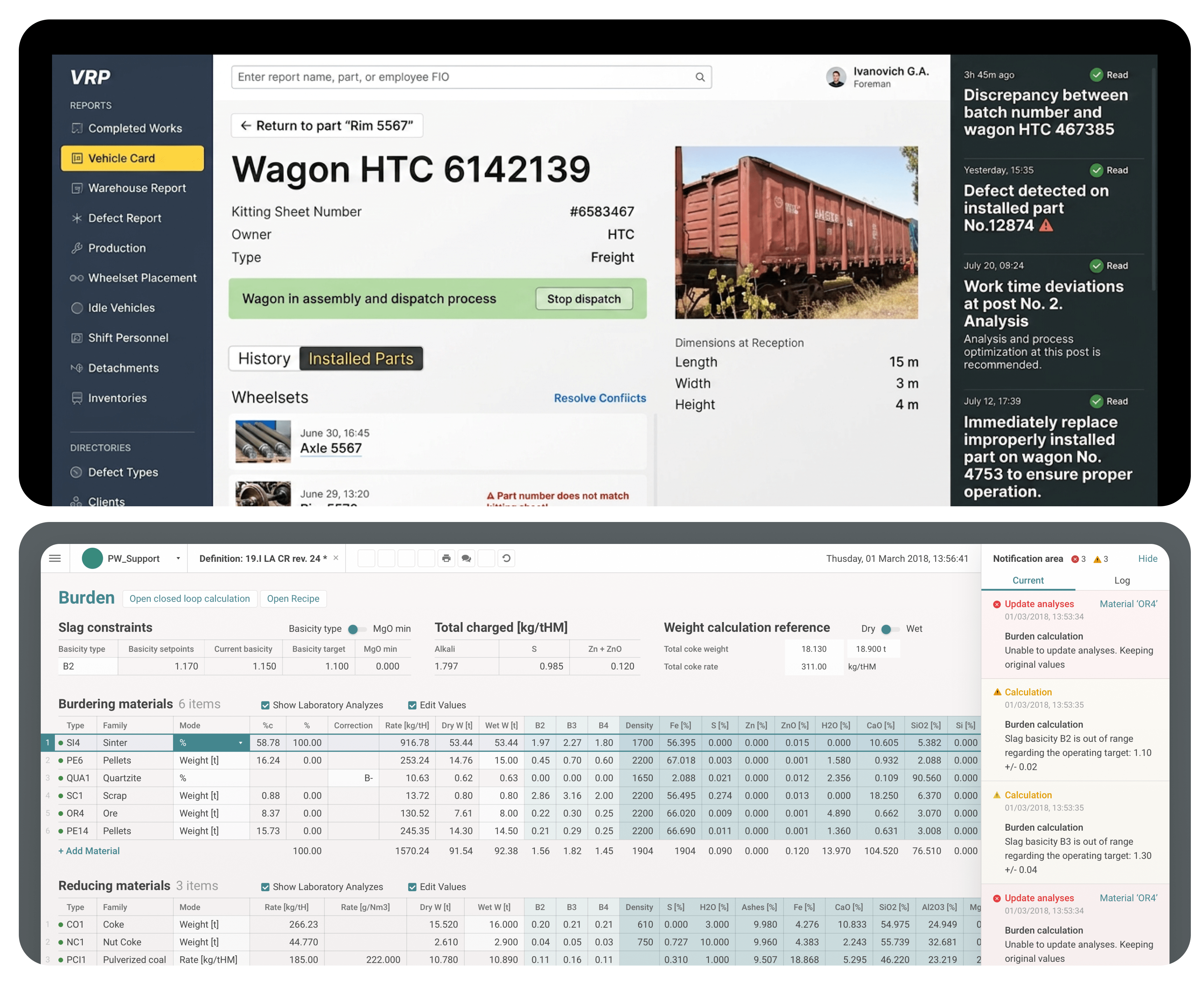
We will analyze the processes of any enterprise and build an ERP system that is easy to implement and pleasant to work with.
An ERP system is a program that connects all departments of a company into a single organism and helps the organization work according to common rules.
Before ERP implementation, each department has its own business processes, computer programs, and interaction procedures with other departments that are convenient for the department head. The company’s operations rely on people and habits. Implementing an ERP system is a step towards building a more mature and manageable business, where processes and structure become more important than individual employees.
An ERP system helps to collect, store, and process data to effectively manage an enterprise:
- plan production;
- systematize procurement;
- control finances;
- build customer relationships;
- pay salaries;
- manage hiring.
Which companies need an
ERP system
Medium-sized companies
An ERP system facilitates the transition from small to medium-sized business when manual management and lack of work standards hinder the company’s growth.
Large companies
Transitioning from standard IT solutions adopted in the industry to customized ones that support and develop the business’s strengths.
How is an ERP system useful?
Improves management quality
Order in processes. During the development and implementation of an ERP system, all company processes are formalized and built according to unified standards.
Simplicity of control. Data enters the system automatically or is entered by strictly defined employees, after which the figures instantly become available to interested parties. If there are discrepancies and inconsistencies in the data, the causes are easy to find.
Saves resources
Automation of routine. An ERP system replaces manual labor of employees in repetitive operations, for example, when generating documents, exporting data, or filling out reports.
Cost reduction. Any operations, such as procurement, are planned for the entire organization at once, not for individual departments, to save on scale.
Increased labor productivity. Duplication of functions disappears and the number of errors due to the human factor decreases.
Savings on IT. Replacing several standard software packages used by different departments with one system tailored to the business needs helps to pay only for in-demand functions and add new ones as needed.
Helps the business grow
Opening new directions. Launching new trade directions or opening new stores becomes an IT task and is solved using proven templates.
Why order an ERP system from Right
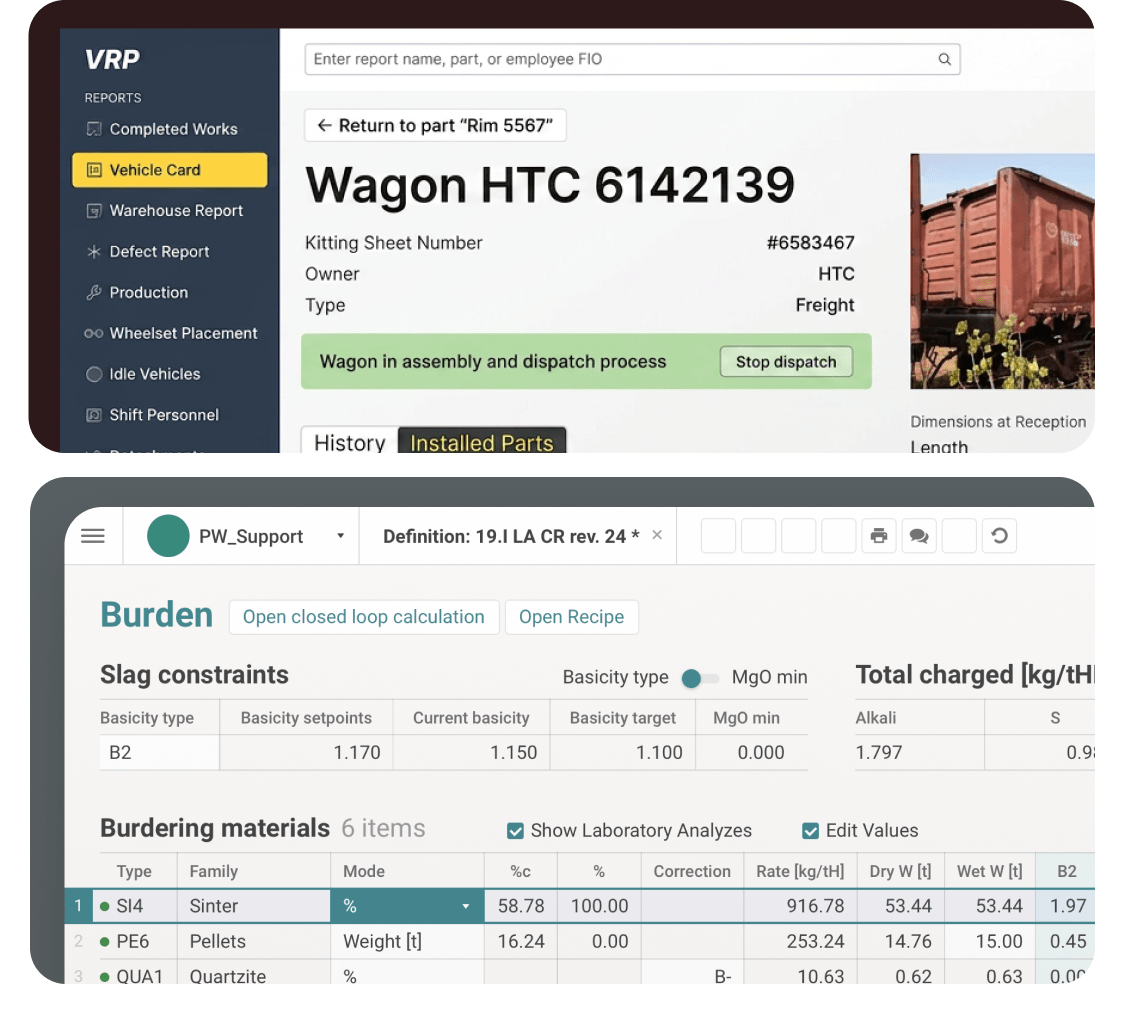
We know how to systematize heterogeneous data, organize large volumes of information, and build clear navigation. Therefore, the ERP planning UX/UI services we develop do not require studying and are pleasant in daily work. We have worked on projects for banks, exchanges, governments, marketplaces, logistics companies, IT firms, and one steel plant.
There are two types of ERP systems:
-
Tailored to a specific area. In this case, the company’s processes are adapted to the established industry order.
Individually designed for the company’s specifics.
We develop the latter — we adapt the UI/UX design of the ERP system to the specifics of the customer’s business.
Workflow
- Immersion
We get acquainted with the business, enterprise systems, and delve into the business logic. We analyze the problems the business has encountered and how we can help. - Research
We study the audience: users or consumers. We form a vision of customer benefit. We document the interaction context, conditions, and technical and business constraints. - Design
We prototype the enterprise resource planning system. We work through the main processes. We test the prototype. We fix errors based on test results and eliminate unnecessary elements. - Visuals
We develop the design. We prepare a UI kit or design system: we unify styles, elements, blocks and modules, illustrations, and icons. - Launch and support
We ensure that the design integration into the enterprise resource planning system goes correctly. We assist developers, monitor the quality of design implementation. We manage and develop the project.